L-Arginine & L-Citrulline, Explained: The Nitric Oxide Pathway
L-Arginine HCl and L-Citrulline Malate work together to address a real absorption limitation in nitric oxide supplementation.
Understanding this pairing is the clearest way to evaluate whether BloodPril's mechanism genuinely makes sense.
L-Arginine: the direct substrate
L-Arginine is the amino acid the body converts directly into nitric oxide via the enzyme nitric oxide synthase. Research on L-Arginine and blood pressure is indexed on PubMed.
The absorption problem L-Arginine faces
Orally-consumed L-Arginine is heavily broken down in the gut and liver before it ever reaches the bloodstream, a limitation called first-pass metabolism. This means a meaningful portion of any L-Arginine dose never makes it to where it is needed.
L-Citrulline Malate: the workaround
L-Citrulline bypasses this problem by being absorbed intact, then converted into L-Arginine in the kidneys. Research suggests this pathway can raise blood arginine levels more effectively than taking L-Arginine directly, summarised on Current Hypertension Reports.
Applying this to BloodPril
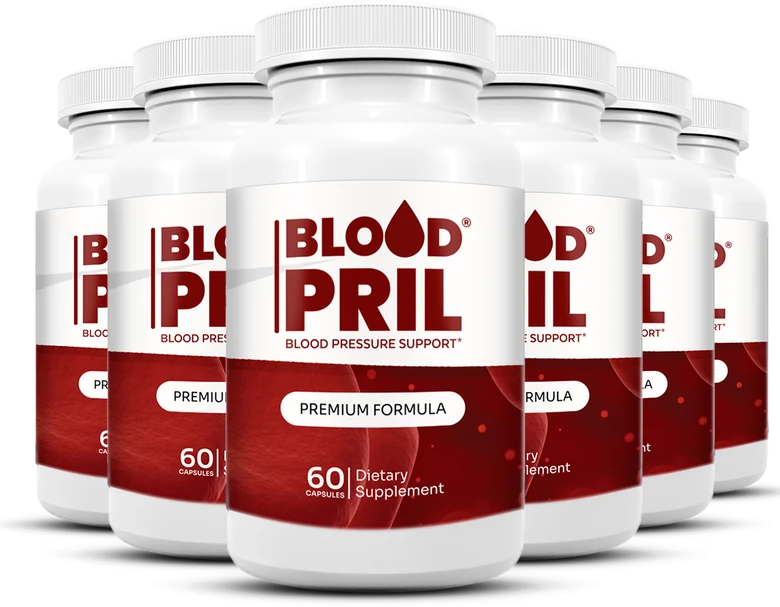
L-Arginine HCl and L-Citrulline Malate are two of the three ingredients in BloodPril's formula, working through a genuinely coherent mechanism. What remains unclear is whether the doses within the 500mg blend approach the amounts used in supporting research.